Staying Hydrated: Why Water Matters for Medication Absorption
Drinking enough water does more than quench your thirst. It plays a critical role in how your body absorbs and processes medications.
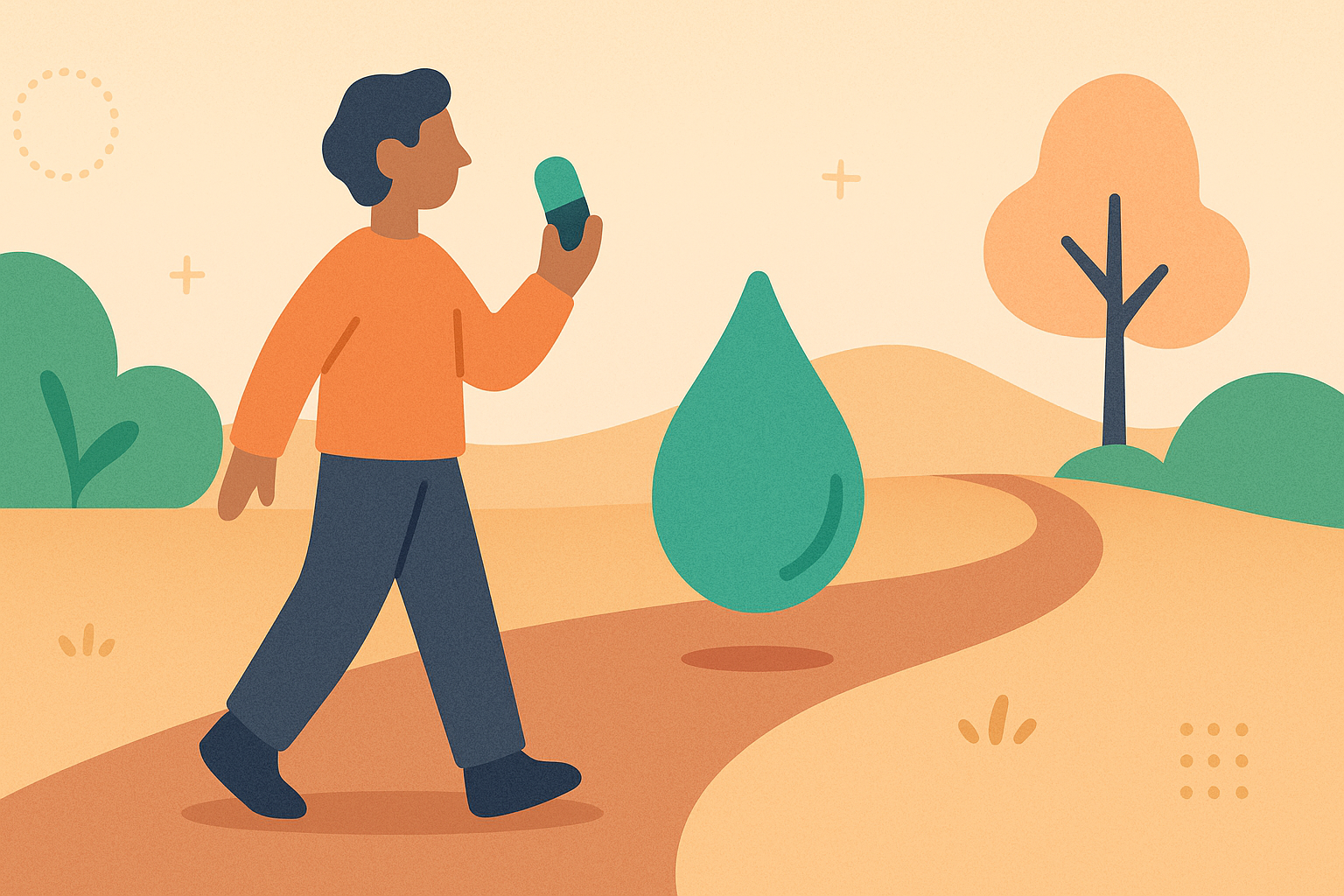
Hydration and Drug Absorption
Water is essential for dissolving medications in your stomach and intestines, where absorption takes place. Without adequate hydration, pills and capsules may not dissolve properly, reducing the amount of drug that enters your bloodstream. This is why most medications should be taken with a full glass of water.
How Much Water Is Enough?
The general recommendation is eight 8-ounce glasses of water per day, but individual needs vary based on body size, activity level, climate, and health conditions. When taking medication, use at least 8 ounces (240 ml) of water to swallow each dose. This helps the pill travel smoothly to the stomach and begin dissolving.
Medications That Require Extra Water
Some medications have specific hydration requirements:
- Bisphosphonates (alendronate, risedronate): must be taken with 6 to 8 ounces of plain water and the patient must remain upright for 30 minutes to prevent esophageal irritation
- Potassium supplements: should be taken with a full glass of water to reduce stomach irritation
- Certain antibiotics like sulfonamides: adequate hydration helps prevent kidney crystal formation
- Lithium: dehydration can cause lithium levels to rise to toxic concentrations
Dehydration and Kidney Function
Your kidneys eliminate many medications from your body. When you are dehydrated, kidney function slows, and drugs can accumulate to higher-than-intended levels. This is particularly important for medications with narrow therapeutic ranges, where small changes in blood levels can cause toxicity.
What to Avoid
While water is ideal, some beverages can interfere with medications. Grapefruit juice affects the metabolism of many drugs. Milk and dairy can bind to certain antibiotics. Alcohol should generally be avoided with most medications. Caffeinated beverages can interact with stimulant medications and some psychiatric drugs.
Make Hydration a Habit
Keep a water bottle with you throughout the day. When MedRemind sends a medication reminder, use it as a cue to drink a full glass of water. This simple habit supports both medication effectiveness and overall health.
This article is for informational purposes only and is not a substitute for professional medical advice, diagnosis, or treatment. Always seek the advice of your physician or pharmacist with any questions you may have regarding a medical condition or medication.
Stay on top of your medications with MedRemind
MedRemind helps you track prescriptions, vitamins, and supplements with smart reminders that adapt to your routine. Download the app today and never miss a dose again.